The Unique Dangers of Animal Hoarding
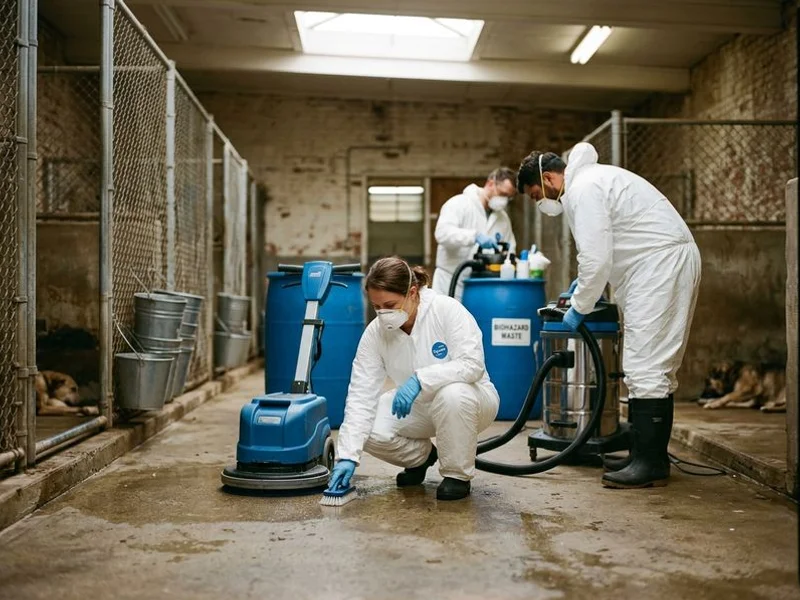
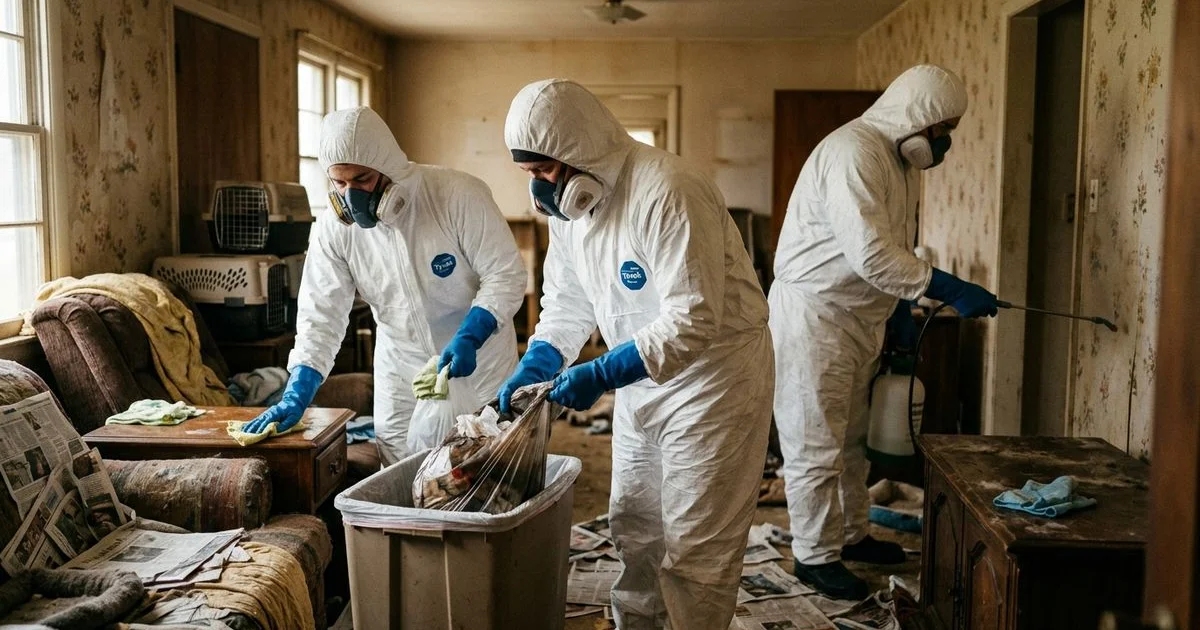
Animal hoarding presents biohazard challenges that are fundamentally different from other hoarding situations. Accumulated pet waste produces dangerous ammonia concentrations, attracts secondary pest infestations, and creates conditions for zoonotic diseases including Hantavirus, toxoplasmosis, and campylobacter. The contamination often saturates building materials far beyond surface-level cleaning.
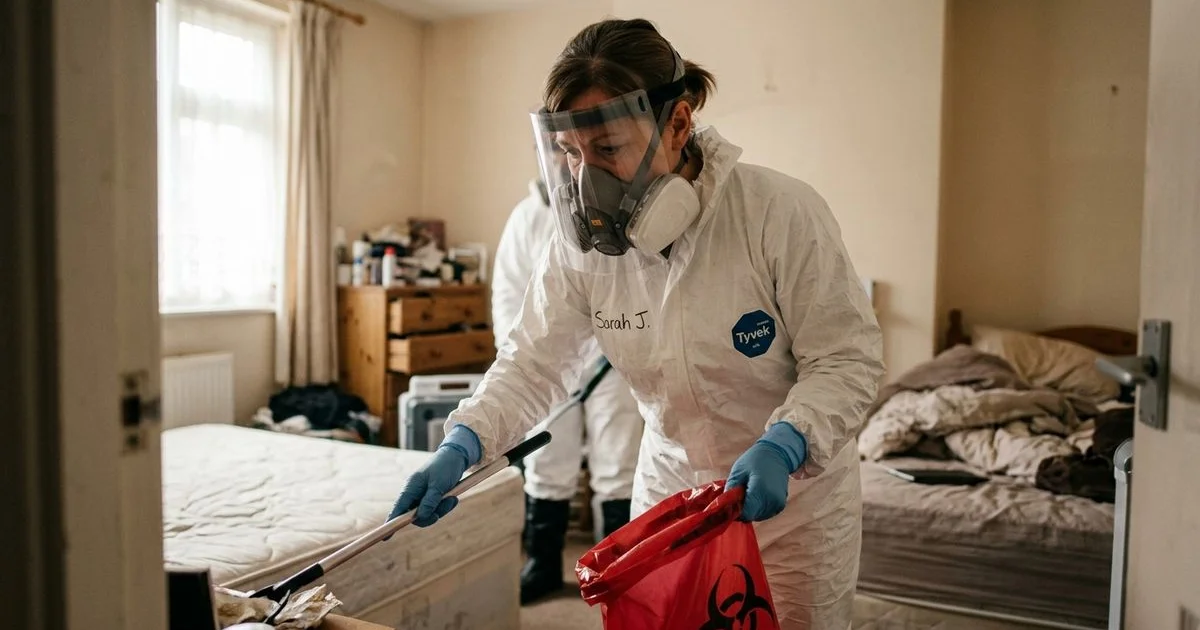
Our specialized animal hoarding cleanup team uses targeted decontamination protocols designed specifically for these hazards — because the safety requirements go far beyond what standard cleaning or even general hoarding cleanup can address.
Health Hazards Specific to Animal Hoarding
Ammonia Contamination
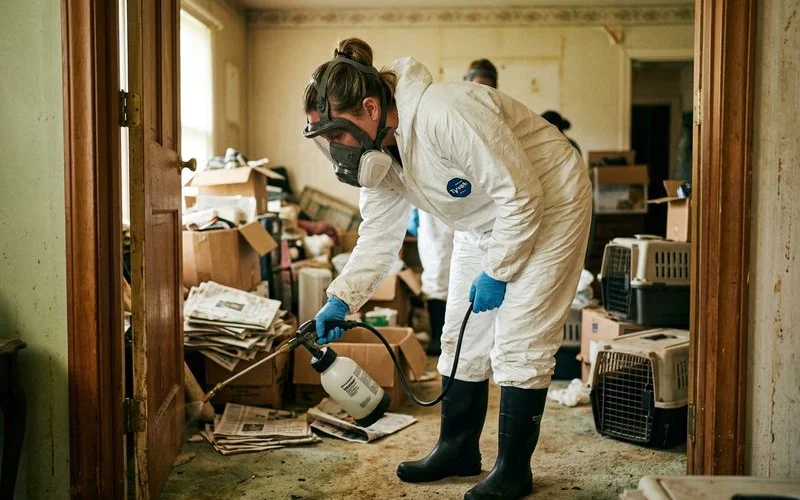
Accumulated urine from cats, dogs, or other animals breaks down into ammonia, which becomes concentrated in enclosed spaces. At high levels, ammonia causes severe respiratory distress, chemical burns to eyes and lungs, and can make a home completely uninhabitable. Our team monitors ammonia levels and uses appropriate respiratory protection.
Zoonotic Disease Risks
Animal waste carries diseases that can be transmitted to humans, including:
- Hantavirus — from rodent droppings and urine
- Toxoplasmosis — from cat feces
- Campylobacter — from various animal waste
- Ringworm and other fungal infections — from contaminated surfaces
Secondary Pest Infestations
Animal waste attracts fleas, ticks, flies, rodents, and cockroaches — creating layers of infestation that compound the original problem.
Building Material Contamination
Urine and feces often soak through carpeting, into subfloor, and sometimes into structural framing. Surface cleaning is not enough — contaminated materials must be identified and removed.
Our Animal Hoarding Cleanup Process
Safety Assessment
We evaluate ammonia levels, identify biohazard zones, and assess the extent of contamination throughout the property.
Ventilation and Air Quality
Industrial ventilation equipment and HEPA air scrubbers are deployed to address ammonia and airborne contaminants before cleanup begins.
Waste Removal
All animal waste, contaminated litter, soiled bedding, and associated debris is carefully removed using appropriate containment procedures.
Decontamination
Surfaces are treated with EPA-approved disinfectants. Contaminated building materials (carpet, padding, subfloor if needed) are identified for removal and replacement.
Odor Elimination
Professional deodorization goes beyond masking — we use enzyme-based treatments that break down organic compounds at the molecular level, eliminating ammonia and waste odors permanently.
Coordination with Animal Welfare
When animals are still present, we coordinate with local animal welfare organizations to ensure they receive proper care and safe placement.
When to Call for Animal Hoarding Cleanup
- Strong ammonia smell when entering the property
- Accumulated pet waste visible on floors and surfaces
- Evidence of pest infestations (fleas, rodents, cockroaches)
- Stained or saturated flooring from repeated animal accidents
- Rooms or areas that are uninhabitable due to animal waste
- Health symptoms (respiratory issues, eye irritation) when in the home
Compassionate Approach
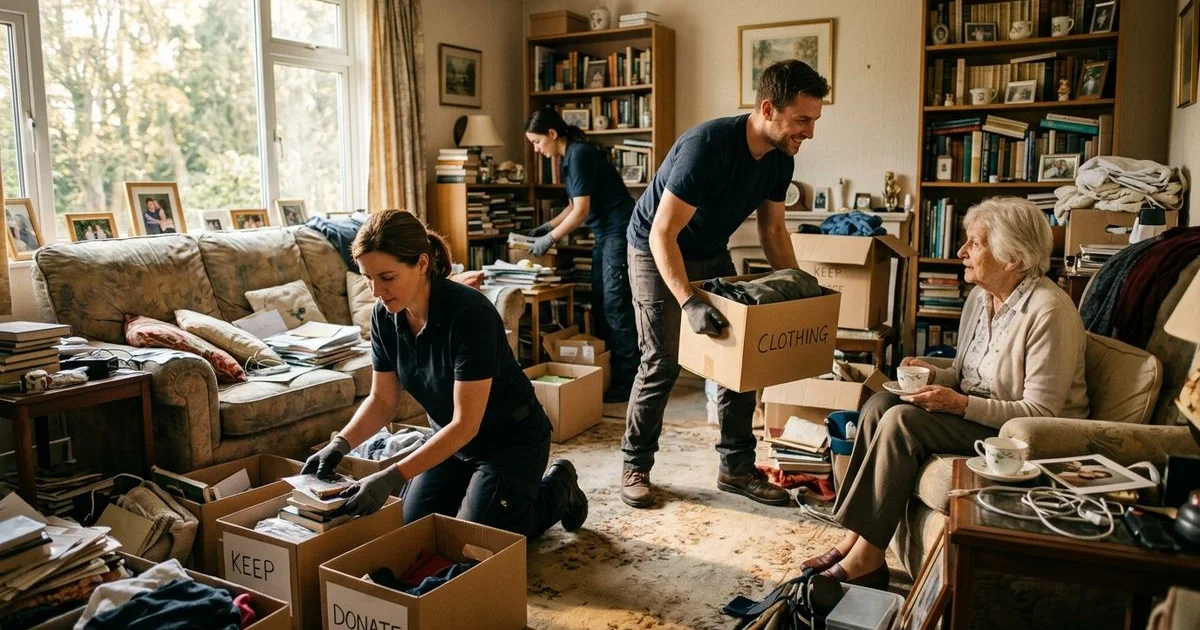
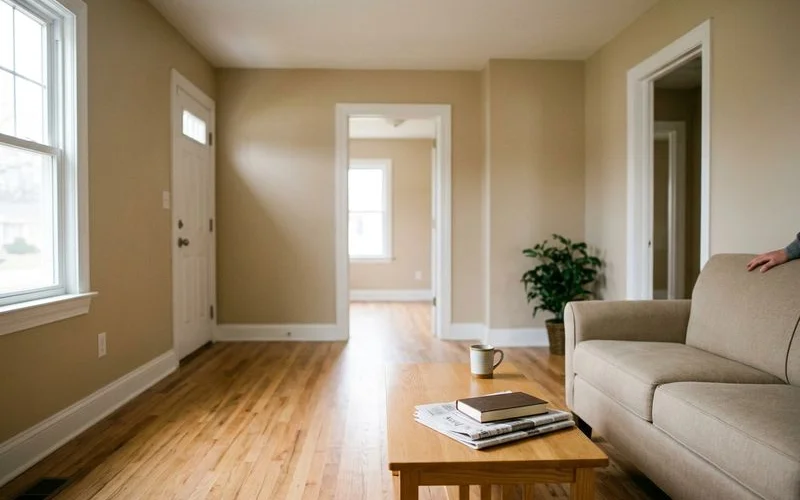
We understand that animal hoarding situations are deeply emotional. Many clients are animal lovers who found themselves overwhelmed. We approach every situation with empathy and without judgment, focusing on restoring a safe living environment for both people and any animals that remain. If you’re concerned about the unique risks involved, our article on animal hoarding and its biohazard challenges explains why specialized cleanup matters. And if you suspect someone you care about may be struggling, learn the signs of animal hoarding and how to help.
If you or someone you know is dealing with an animal hoarding situation, contact us for a confidential assessment or call (843) 517-7097.