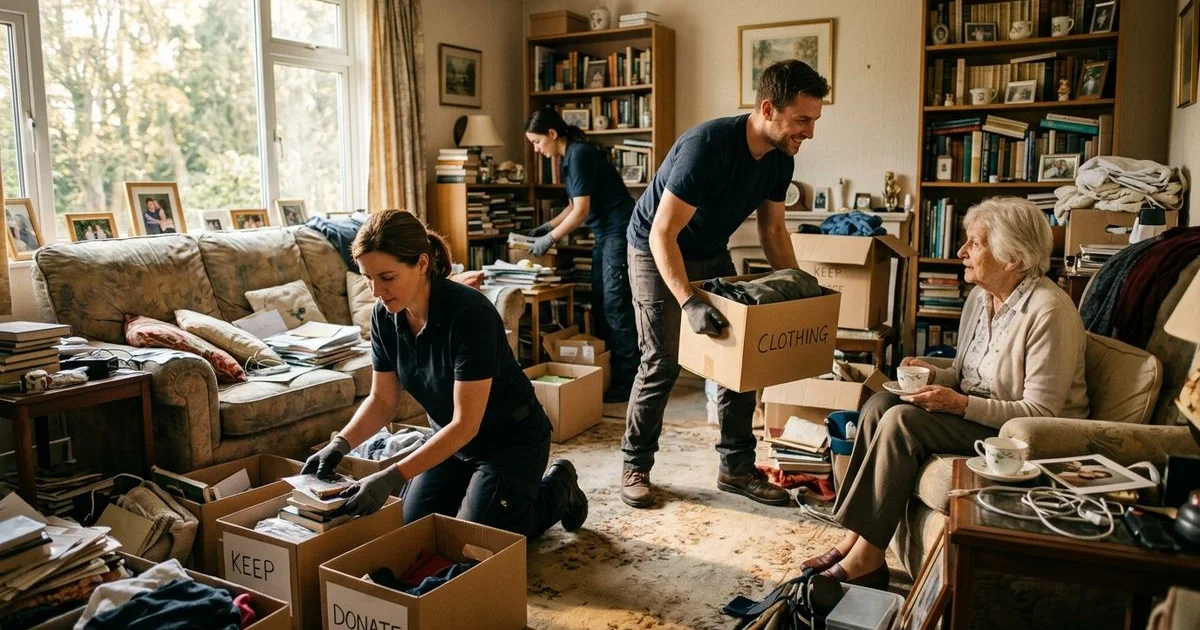
Professional Biohazard Remediation for Hoarding Environments
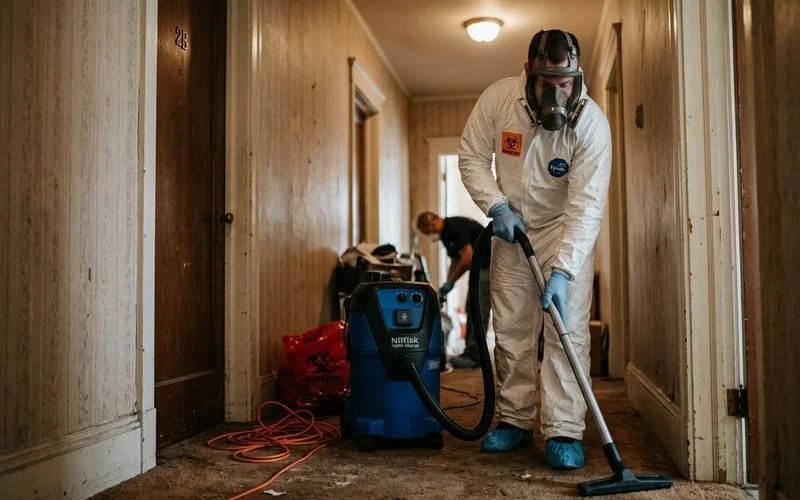
Hoarding environments frequently harbor dangerous biohazards that standard cleaning simply cannot address. Mold growth behind stacked items, pest infestations in hidden spaces, rodent droppings, and biological waste all create serious health risks that require specialized safety protocols and professional-grade equipment.
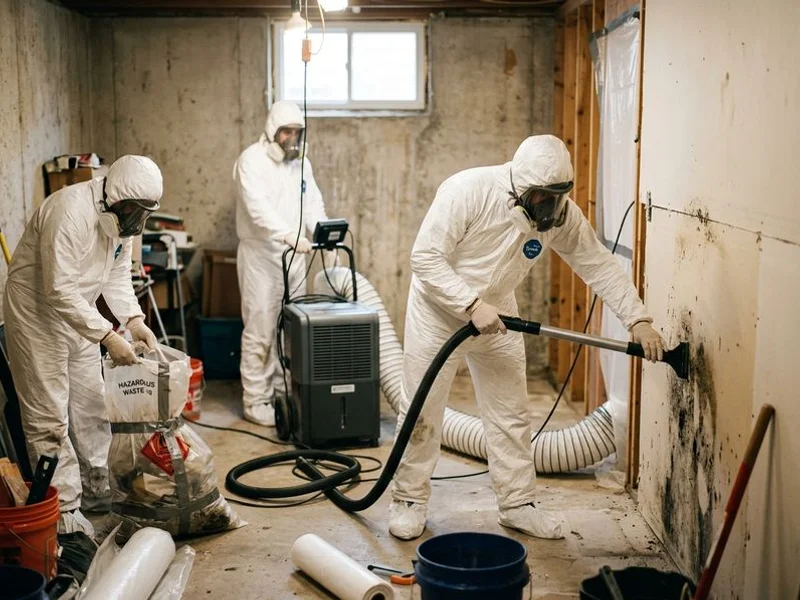
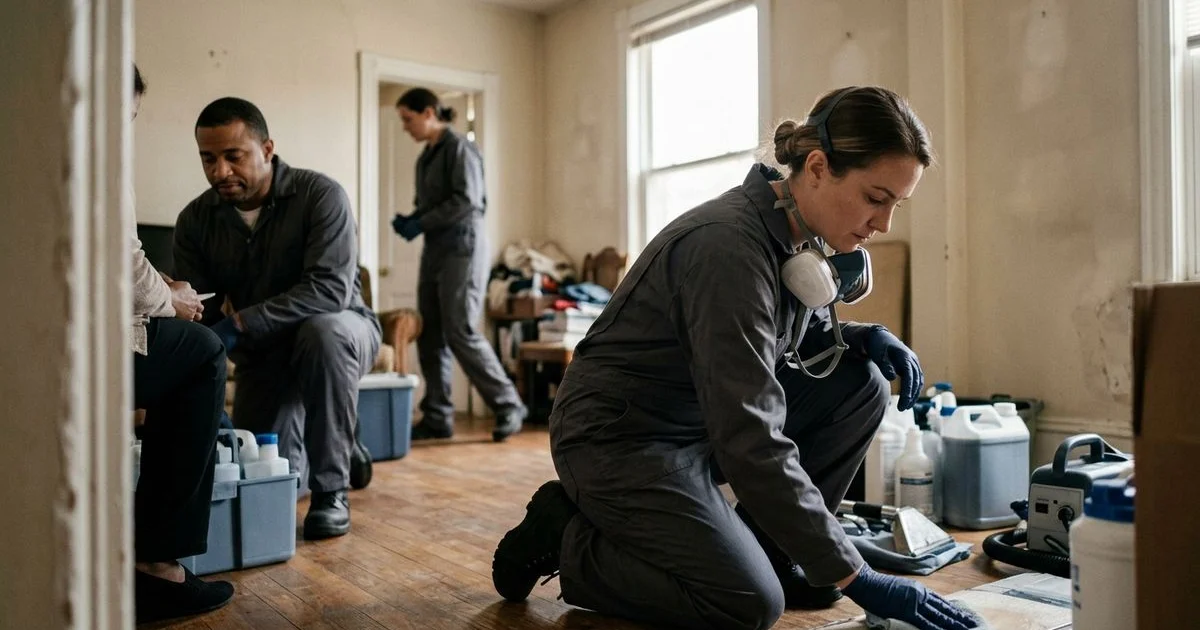
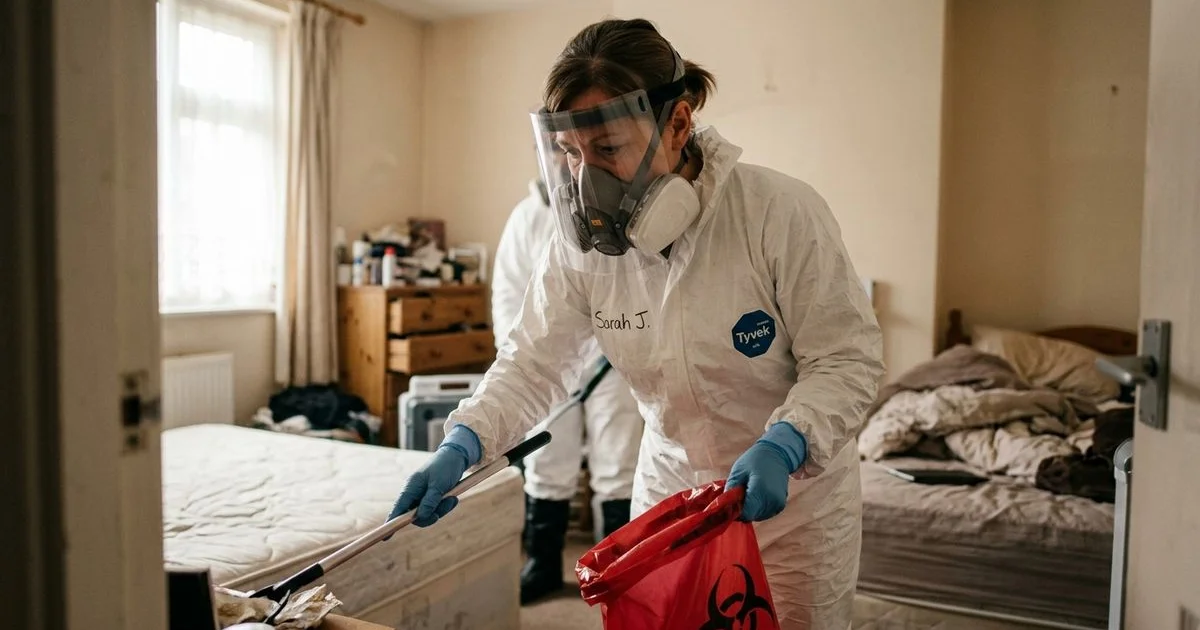
Our trained biohazard remediation team uses OSHA-compliant procedures, EPA-approved hospital-grade disinfectants, HEPA air filtration, and full personal protective equipment to safely eliminate these hazards and restore contaminated spaces to safe, sanitary conditions.
Common Biohazards in Hoarding Situations
Mold and Mildew
When items are stacked against walls for years, moisture gets trapped, creating ideal conditions for mold growth. Black mold (Stachybotrys chartarum) and other species can cause respiratory problems, allergic reactions, and serious health complications — especially for immunocompromised individuals.
Pest Infestations
Accumulated clutter provides shelter and food sources for rodents, cockroaches, and other pests. Rodent droppings carry Hantavirus and other diseases. Cockroach allergens can trigger severe asthma attacks.
Biological Waste
In severe hoarding cases, accumulated human or animal waste, spoiled food, and other biological materials create dangerous contamination requiring professional decontamination.
Structural Contamination
Prolonged exposure to moisture, waste, and pest activity can contaminate building materials themselves — drywall, insulation, carpet, and subflooring may need to be removed and replaced.
Our Remediation Process
1. Hazard Assessment
We conduct a thorough evaluation of your property to identify all biohazard concerns, test for mold species when necessary, and develop a targeted remediation plan.
2. Containment
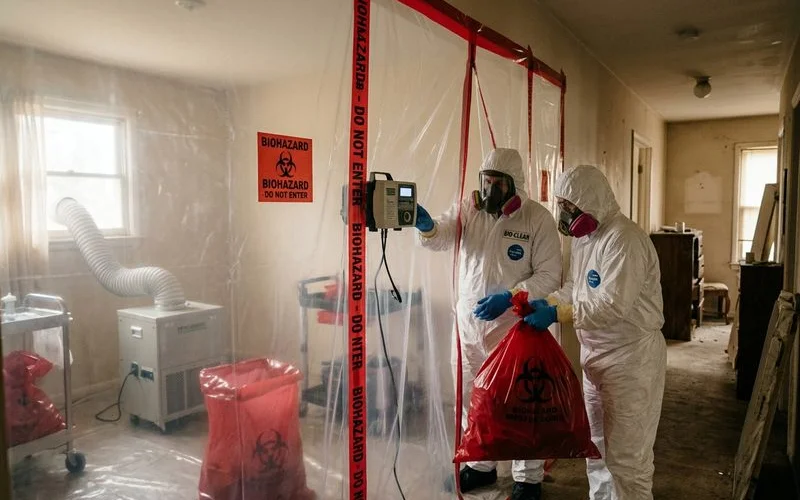
Affected areas are sealed with containment barriers to prevent cross-contamination to clean areas of your home.
3. Air Filtration
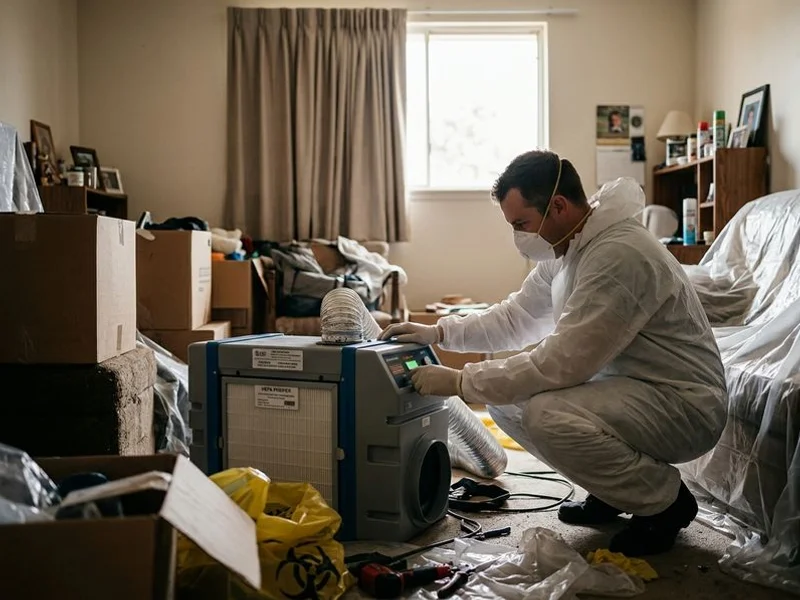
HEPA air filtration units are deployed to capture airborne particles, mold spores, and biological contaminants.
4. Decontamination
Using EPA-approved hospital-grade disinfectants and professional equipment, our team systematically removes and decontaminates all affected materials.
5. Verification
After remediation, we conduct ATP surface testing to verify that contamination has been eliminated to safe levels.
Safety Protocols
Our team follows strict OSHA-compliant safety protocols including:
- Full PPE — Tyvek suits, N95/P100 respirators, nitrile gloves, and protective eyewear
- HEPA filtration — Industrial-grade air scrubbers running throughout the remediation
- Containment barriers — Preventing spread of contaminants to clean areas
- Proper waste disposal — Biohazardous materials disposed of through licensed facilities
- Bloodborne pathogen protocols — When bodily fluids are present
When Biohazard Remediation Is Needed
Not every hoarding situation requires biohazard protocols. If you’re unsure whether your situation qualifies, our article on what counts as biohazard cleanup in hoarding can help clarify. Many homeowners are also unaware of the hidden dangers in hoarding environments like mold, pests, and structural damage until a professional assessment reveals them.
Here’s when you should call for specialized remediation:
- Visible mold growth on walls, ceilings, or surfaces
- Evidence of rodent or pest infestations (droppings, nesting, damage)
- Accumulated animal waste or urine
- Spoiled food or biological waste
- Standing water or sewage
- Suspected or confirmed presence of bodily fluids
If you’re unsure whether your situation involves biohazards, our free assessment will determine the appropriate approach.
Need biohazard remediation? Call (843) 517-7097 anytime — we’re available 24/7 for emergencies.