Every remediation professional knows that animal hoarding sites are in a category of their own.
The reality of Animal Hoarding: The Unique Biohazard Challenges of Pet Waste Cleanup requires a highly specialized approach. We face these extreme situations daily at Summerville Hoarding Cleanup across the Charleston metro area.
These jobs require specialized biohazard protocols rather than simple debris removal. Our teams have seen how decomposing organic matter creates conditions that are genuinely dangerous to human health. Let us examine the specific data behind these hazards and explore the exact steps required to restore a property safely.
Understanding Animal Hoarding: The Unique Biohazard Challenges of Pet Waste Cleanup
This crisis happens far more frequently than the public realizes. The Animal Legal Defense Fund reported in recent years that up to 250,000 animals fall victim to hoarding annually across the United States. These situations usually involve an average of 100 or more animals per property.
We frequently witness the rapid deterioration of these homes across South Carolina. The humid subtropical climate of the Lowcountry actively accelerates the decomposition of waste and the growth of harmful bacteria.
Our local climate makes these specific properties exceptionally hazardous to enter without protection. What separates this condition from simply having multiple pets is a fundamental inability to provide adequate sanitation and veterinary care. Unchecked breeding multiplies the population while waste accumulates on every available surface. Studies show that 72% of these cases involve female homeowners.
Common animals found in these environments:
- Cats (the most frequently hoarded animal by far)
- Dogs
- Birds
- Rabbits
- Reptiles
- Farm animals in rural Lowcountry properties
Ammonia: The Invisible Killer
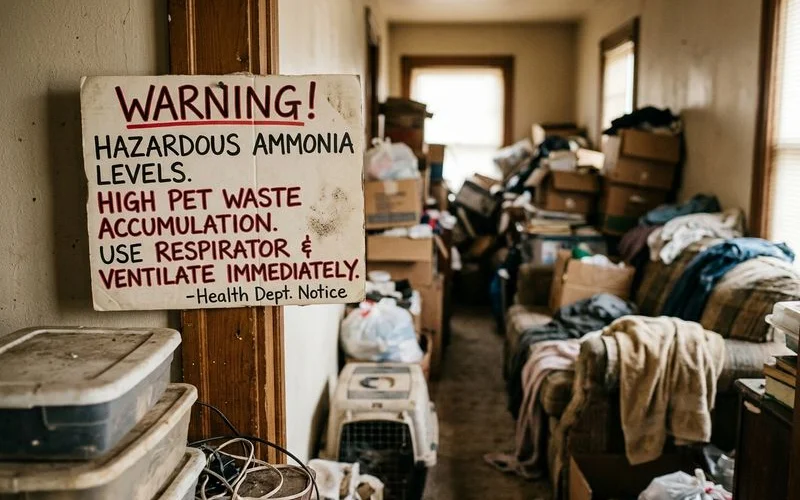
Ammonia gas represents the most immediate respiratory threat inside these properties. Decomposing urine releases this gas into the air at concentrations that cause severe, irreversible health damage.
A well-ventilated home with two pets maintains negligible ammonia levels. An environment where dozens of animals have urinated on floors for years traps this gas indoors.
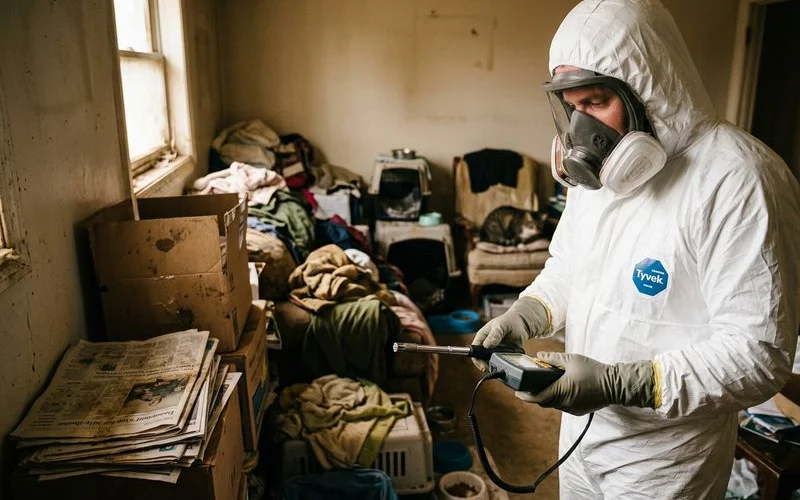
Our technicians rely on strict safety thresholds because human noses cannot accurately judge the danger. People can smell ammonia at just 5 parts per million (ppm), which often lulls them into a false sense of security before the concentration spikes.
We never enter a suspected property without professional air quality meters.
Ammonia Exposure Limits and Health Effects
| Concentration Level | Agency Standard & Health Impact |
|---|---|
| 25 ppm | The National Institute for Occupational Safety and Health (NIOSH) recommended exposure limit for a standard workday. |
| 50 ppm | The Occupational Safety and Health Administration (OSHA) permissible exposure limit. Eye and throat irritation begins here. |
| 100 ppm | Immediate coughing and difficulty breathing occur. Exposure without proper gear is highly dangerous. |
| 300+ ppm | Categorized as Immediately Dangerous to Life or Health (IDLH). This level causes chemical pneumonia and possible death. |
Standard dust masks provide zero protection against these fumes. Full-face respirators equipped with ammonia-specific cartridges are the absolute minimum safety requirement.
Zoonotic Disease Risks
Zoonotic diseases spread directly from animals to humans. Overcrowded and stressed animals living in unsanitary conditions create the perfect breeding ground for cross-species infections.
Toxoplasmosis
Cat hoarding situations pose a massive risk of Toxoplasma gondii exposure. The Centers for Disease Control and Prevention (CDC) reported in February 2025 that over 40 million people in the US have been infected with this parasite.
High-risk groups who must avoid these environments:
- Pregnant women (due to severe birth defect risks)
- Immunocompromised individuals
- Elderly family members
We treat every surface in a cat-hoarded home as highly contaminated. Infected cats can shed millions of parasites in their feces for up to three weeks.
Our cleaning protocols must account for the fact that these microscopic parasites survive in the environment for over a year. While healthy adults might just feel mild flu symptoms, toxoplasmosis causes severe complications for pregnant women and immunocompromised individuals. Standard household cleaners will not kill Toxoplasma oocysts.
Leptospirosis
This bacterial infection spreads primarily through contact with animal urine from rodents and dogs. Leptospirosis causes kidney damage, liver failure, meningitis, and severe respiratory distress. The warm and damp conditions typical of Lowcountry properties allow Leptospira bacteria to thrive on floors and baseboards.
Campylobacter and Salmonella
These dangerous bacteria live in animal feces and trigger severe gastrointestinal illness. The risk of exposure remains extremely high in homes where fecal matter contaminates food preparation areas, countertops, and water sources.
Ringworm and Airborne Fungal Infections
Overcrowded feline populations frequently harbor dermatophyte fungi that cause ringworm. These fungi produce millions of microscopic spores that become airborne dust.
“Fungal spores from severe animal hoarding cases can remain viable and infectious on dry surfaces for many months after the animals are removed.”
They settle on walls and air vents, remaining infectious for months after the animals leave.
Psittacosis
Bird hoarding cases introduce the risk of Chlamydia psittaci, the bacteria responsible for psittacosis. This infection spreads quickly when dried bird droppings turn into airborne particulate matter. Symptoms include high fever, severe headaches, and pneumonia.
Structural Contamination and Damage
Animal waste destroys building materials by penetrating far beyond the visible surface layer.
Urine Saturation
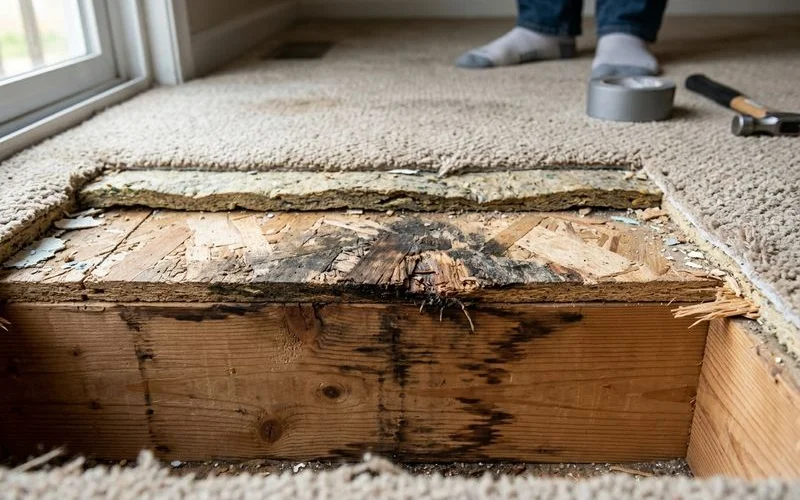
Cat and dog urine soaks straight through carpet, padding, and subflooring. Urine crystals form deep inside the structural wood over time.
We consistently find that urine has soaked through hardwood floors and saturated the floor joists in Charleston-area properties. Surface cleaning cannot fix this level of structural decay.
Our crews must often completely remove the affected subflooring. Data from 2025 shows that subfloor replacement costs an average of $1,560 for a standard 300-square-foot room, or roughly $3 to $10 per square foot. In extreme cases, the structural lumber beneath the subfloor requires replacement as well.
Fecal Contamination
Accumulated animal feces leave behind bacteria and fungi that persist long after you shovel away the solid waste. Fecal matter embeds itself deep into floor grout, drywall, insulation, and HVAC ductwork.
Hidden areas requiring severe fecal decontamination:
- Inside floor and wall heating vents
- Underneath built-in cabinets and appliances
- Inside the tracks of sliding doors
Airborne fecal particles then circulate through the heating and cooling systems to contaminate every room in the house.
Moisture Damage
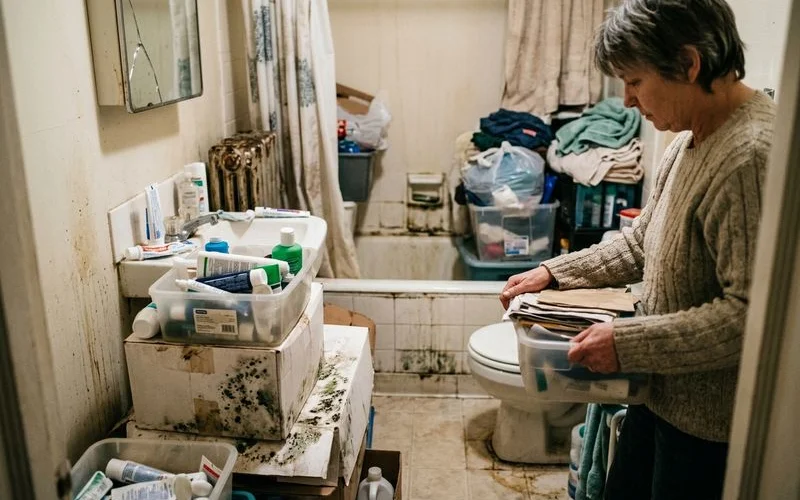
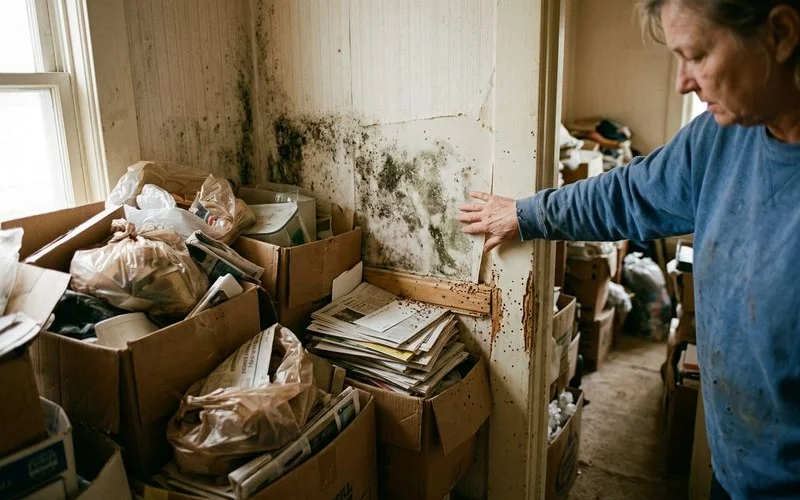
The constant moisture from pooled urine creates ideal conditions for toxic mold growth. The humid Summerville climate accelerates this process significantly. Extensive mold colonies regularly grow beneath flooring, behind baseboards, and inside wall cavities, requiring full mold remediation alongside the biohazard cleanup.
Secondary Pest Infestations
The presence of untreated animal waste inevitably attracts massive secondary pest populations.
Fleas
A single female flea lays up to 50 eggs per day. Flea populations easily reach into the millions inside a home housing dozens of unmedicated animals. These pests carry diseases like murine typhus and serve as intermediate hosts for tapeworms.
We apply professional-grade insecticide treatments before we ever begin the physical cleanup. Fleas become desperate for new hosts once the animals are removed and will aggressively bite any humans entering the property.
Rodents
Accumulated clutter and spilled animal feed provide an endless buffet for rodent populations. Mice and rats introduce new health hazards, including hantavirus and additional fecal contamination.
Common signs of a severe rodent infestation include:
- Extensive chew marks on baseboards and wiring
- Musky odors distinct from pet waste
- Large accumulations of droppings in cabinets
Their droppings compound the already severe biohazard conditions inside the home.
Flies and Maggots
Fly infestations become severe during the warmer months across the Lowcountry. Flies breed directly in decaying organic matter, and their larvae accelerate the decomposition process. Their presence always indicates active biological decay nearby.
Cockroaches
American and German cockroaches thrive in the warm, moist, food-rich environment of a hoarded home. Their shed body parts and droppings become airborne allergens that trigger severe asthma attacks and respiratory issues for the occupants.
The Professional Cleanup Process
A standard cleaning service lacks the tools and training to handle a legitimate biohazard environment. Professional remediation follows a highly structured, scientifically verified protocol.
Assessment and Safety Planning
Our team conducts a complete site assessment before touching a single piece of debris. This initial inspection includes targeted air quality testing for ammonia and structural evaluations.
We use Adenosine Triphosphate (ATP) testing swabs to detect invisible biological footprints on surfaces. A luminometer reads these swabs and provides a Relative Light Unit (RLU) score.
Our biohazard standard aims for a score as close to zero as possible. Food-safe surfaces require a score under 30 RLU, but trauma cleanup demands complete eradication.
Animal Removal Coordination
The animals must be safely removed and treated by veterinarians first. We coordinate directly with local animal control, rescue organizations, and the Charleston Animal Society. Law enforcement may also be involved if the state is pursuing animal cruelty charges.
Personal Protective Equipment
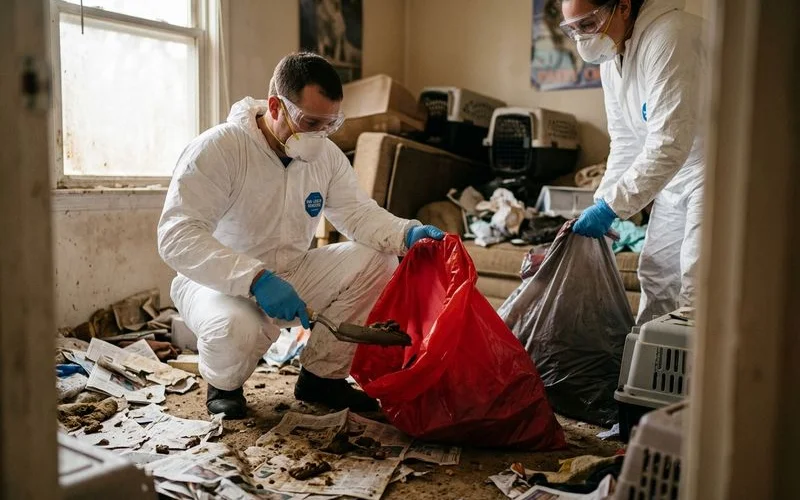
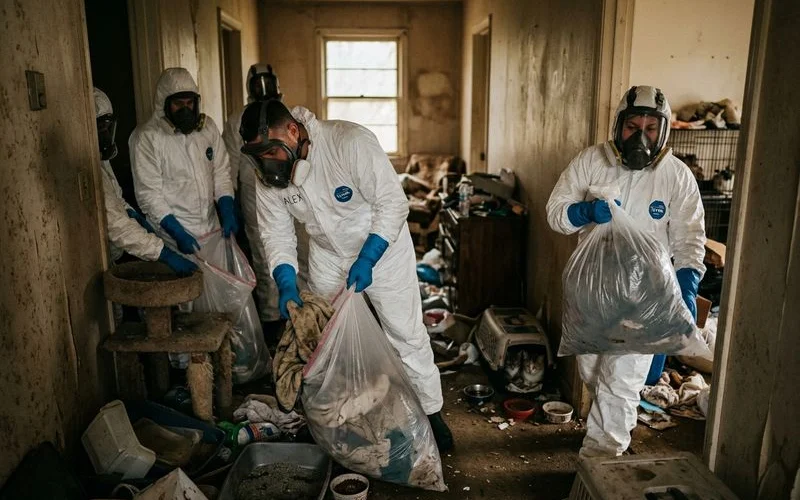
Technicians wear full personal protective equipment for the duration of the project. All protective gear is treated as biohazardous waste and discarded after every single work session.
Mandatory PPE for severe hoarding environments:
- Disposable, chemical-resistant Tyvek suits
- Heavy-duty boot covers and double-layered gloves
- Full-face P100 respirators with ammonia-specific cartridges
Waste Removal and Decontamination
Contaminated materials like carpets and soft furnishings are bagged in specialized biohazard containers. We then treat the remaining structural elements with commercial enzymatic cleaners, such as Sporicidin Enzyme Cleaner Concentrate.
These specific bio-enzymatic formulas literally digest the proteins and odor-causing molecules left behind by animal waste.
Air Quality Remediation
Heavily contaminated HVAC systems require aggressive intervention. Ductwork must be professionally cleaned or entirely replaced to stop the spread of airborne pathogens.
We conduct post-remediation ATP testing to prove that the environment is completely safe for human habitation again.
Why DIY Cleanup Is Dangerous
The temptation to clean the property yourself is understandable when trying to help a loved one in crisis. DIY cleanup in these specific environments poses severe, immediate threats to your physical health.
You risk exposing yourself to dangerous pathogens without an ATP luminometer to verify that surfaces are truly clean. Breathing in airborne particles from dried feces can instantly trigger a severe respiratory infection.
Our teams constantly warn families about the distinct hazards of untrained cleaning attempts. A DIY approach frequently leads to critical errors.
Common DIY Hazards to Avoid:
- Creating Toxic Gas: Pouring bleach onto cat urine creates toxic chloramine gas. The sodium hypochlorite in bleach reacts with the ammonia in urine, causing chemical burns to your lungs.
- Spreading Contamination: Standard vacuums blow microscopic fecal dust and mold spores throughout the house.
- Illegal Waste Disposal: Biohazardous material must be transported and discarded according to strict environmental regulations, not tossed in municipal trash.
Do not attempt this work without appropriate training, heavy-duty PPE, and a certified waste disposal plan.
Getting Help in the Lowcountry
Professional help is readily available if you are dealing with a hoarding situation in Summerville, Charleston, Goose Creek, Mount Pleasant, or anywhere in the South Carolina Lowcountry.
Our dedicated animal hoarding cleanup service addresses these unique biohazard challenges, and we possess the specialized equipment required to remediate these hazards safely. The individuals living in these conditions deserve dignity, and the animals deserve proper care.
Our technicians approach every project with deep compassion for everyone involved. Contact us at (843) 517-7097 for a completely confidential consultation.
We will assess the specific hazards, outline a clear remediation plan, and restore the property to a safe, livable condition.