The word “biohazard” carries heavy weight. Most people instantly imagine hazmat suits and bright yellow caution tape. Those extreme scenarios feel completely disconnected from everyday life.
But asking what qualifies as biohazard in a hoarding situation is actually a very practical question.
Biological contamination is far more common in these environments than families realize. Recognizing these specific dangers is an essential first step for anyone planning a remediation project.
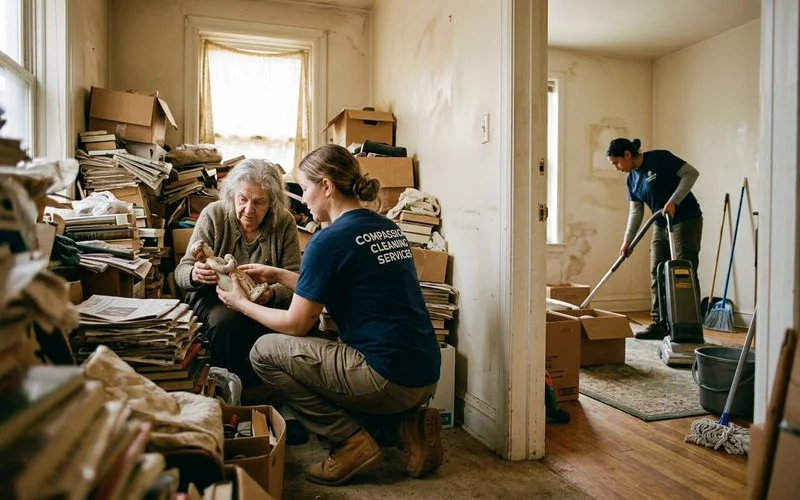
A home filled with antique collections or stacked newspapers presents unique structural challenges. That does not mean it involves biological material requiring specialized handling. True biohazard cleanup demands specific training and disposal methods that go far beyond standard scrubbing.
We regularly assess these difficult environments throughout the Charleston and Summerville areas to determine exact safety requirements. Here is a clear breakdown of what crosses the line into biohazardous territory and how to respond safely.
Defining What Qualifies as Biohazard in a Hoarding Situation?
A biohazard is simply any biological material that poses a direct risk to human health. The Occupational Safety and Health Administration strictly defines these materials under standard 29 CFR 1910.1030. This standard covers blood, visibly contaminated bodily fluids, and unfixed human tissue.
The definition expands practically inside a highly cluttered home. It includes anything capable of causing illness through touch, inhalation, or accidental ingestion. This covers human waste, massive amounts of animal feces, rotting organic matter, and disease-carrying pest infestations.
Separating an unpleasant mess from a genuinely dangerous environment is the main goal here. A kitchen sink piled high with dirty dishes is highly unsanitary. A kitchen coated in rodent feces and decomposing animal remains is a certified biohazard.
Conditions That Qualify as Biohazardous
Human Waste Contamination
This specific issue ranks among the most common biohazardous conditions found in severe hoarding environments. Families and cleanup crews often fail to anticipate this danger. Plumbing fails, toilets become inaccessible, and occupants may resort to using buckets or plastic bags for waste.
These temporary receptacles are sometimes kept and stacked within the home rather than discarded. Waste also frequently gets mixed directly into piles of clothing or garbage. Sorting through these materials without proper protection is incredibly dangerous.
Human waste harbors dangerous pathogens like E. coli, norovirus, and hepatitis A. Dried fecal matter can easily become airborne dust when someone disturbs a pile of debris. Inhaling these microscopic particles can cause severe respiratory and gastrointestinal illnesses.
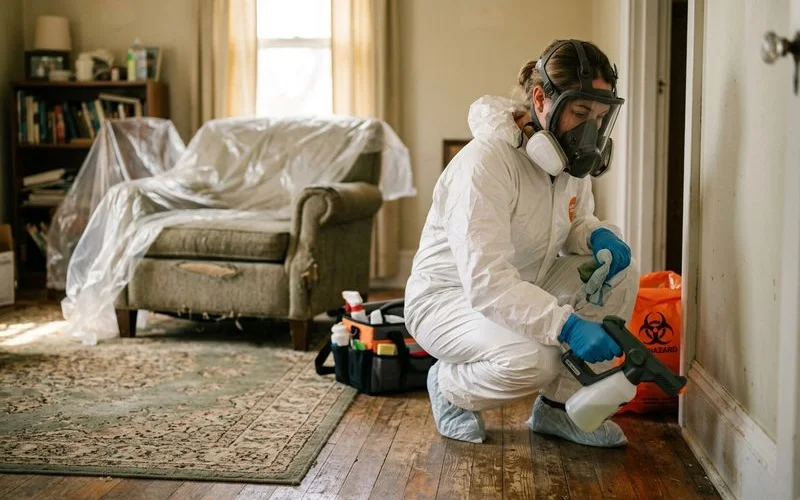
OSHA mandates strict safety requirements for handling human waste:
- Using heavy-duty gloves, eye protection, and full-face respirators
- Establishing containment zones to stop cross-contamination
- Applying hospital-grade, EPA-registered disinfectants
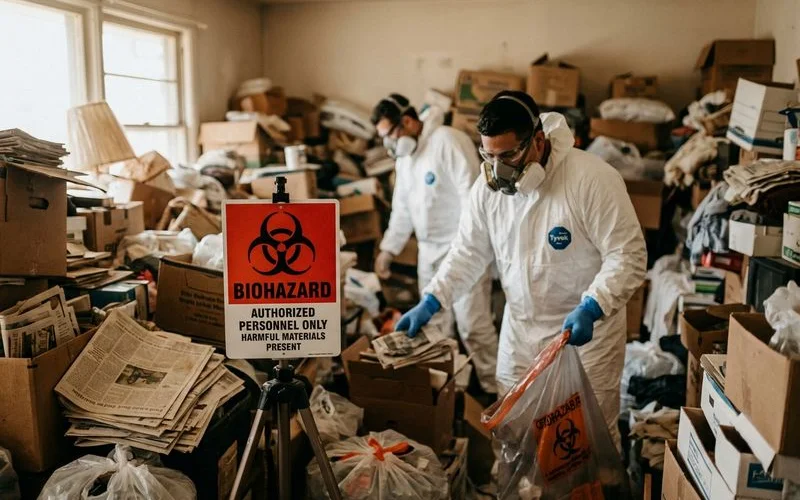
- Packaging all contaminated items in approved biohazard bags
- Conducting specific post-cleanup testing to verify safety
Animal Waste and Remains
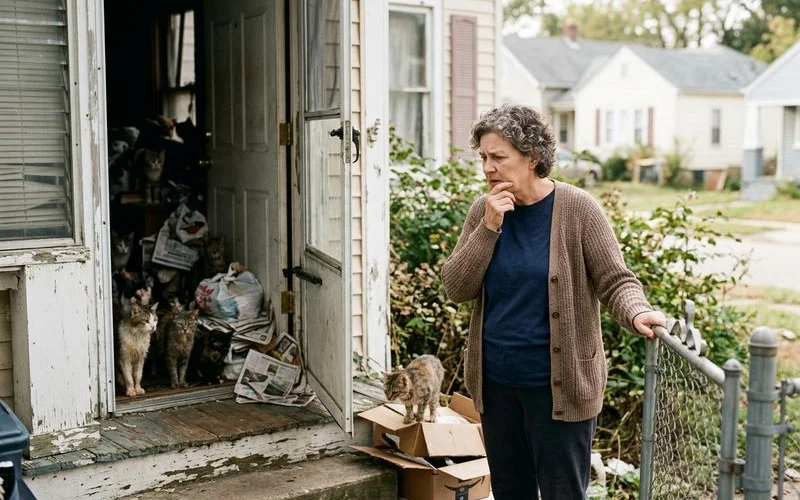
Animal hoarding frequently occurs alongside object hoarding. Biological contamination from dozens of cats or dogs can quickly destroy a property. Pet waste accumulation also happens frequently when an occupant’s physical mobility declines.
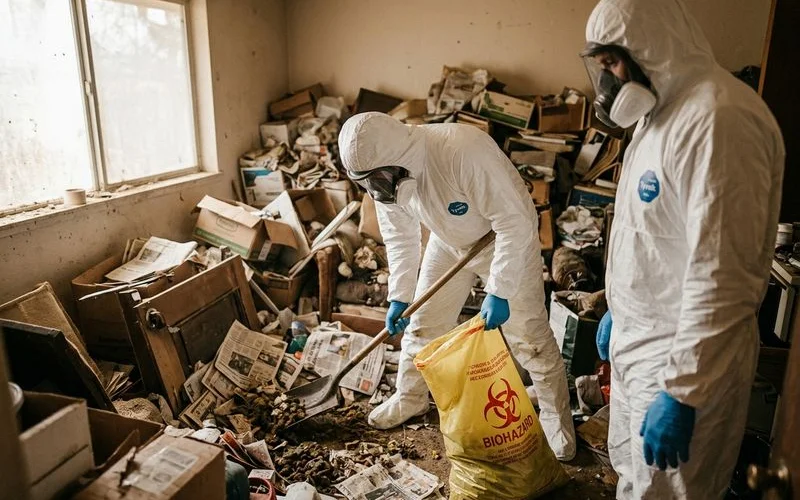
Concentrated cat urine presents a uniquely severe danger. Ammonia gas builds up rapidly in homes with poor ventilation. This toxic gas causes immediate respiratory distress and can chemically burn mucous membranes.
In severe cases, ammonia levels in hoarding homes with cat waste accumulation reach highly dangerous concentrations that require commercial ventilation.
We have measured ammonia in these homes well above OSHA’s Permissible Exposure Limit of 50 parts per million. Dog waste creates a slightly different but equally dangerous chemical profile. Accumulated feces contain massive bacterial loads, including salmonella and campylobacter.
Parasites like roundworms can easily pass from this waste into human hosts. Deceased animals hidden under piles of belongings also qualify as regulated biological materials. Rotting remains generate harmful bacteria and draw in flies that track diseases across every surface.
Extensive Mold Contamination
Microscopic mold spores exist naturally in every indoor space. However, hoarding environments frequently breed mold colonies large enough to trigger severe health crises. The US Environmental Protection Agency officially recommends hiring professional remediation teams for any mold growth covering more than 10 square feet.
Affected areas in highly cluttered homes routinely exceed this 10-square-foot limit by massive margins. Blocked windows and trapped moisture create perfect breeding grounds. Specific fungal species found in these homes generate dangerous mycotoxins.
The most common toxic species include:
- Stachybotrys chartarum (black mold)
- Aggressive strains of Aspergillus
- Toxigenic Penicillium species
Fungal growth officially becomes a biohazard when it penetrates deep into drywall or structural subflooring. High concentrations of airborne spores make simple breathing dangerous without a high-efficiency particulate air respirator.
Blood and Bodily Fluids
Blood spills occur for many reasons inside extremely disorganized homes. Occupants frequently trip over debris or suffer cuts from hidden sharp objects. Unmanaged medical conditions can also leave behind massive amounts of biohazardous fluid.
Even a tiny amount of dried blood requires specialized cleanup procedures to prevent infection and cross-contamination.
The Centers for Disease Control and Prevention warns that the Hepatitis B virus can survive outside the body for at least seven full days. Federal workplace safety rules apply directly to anyone entering these spaces.
Any person sorting through contaminated belongings faces a clear risk of exposure to HIV, Hepatitis B, and Hepatitis C.
Sharps and Medical Waste
Used syringes and diabetic lancets frequently surface during the cleaning process. Occupants managing chronic illnesses often lose track of their medical supplies in the chaos. These hidden needles create terrifying puncture hazards for anyone pushing aside piles of trash.
These items fall under strict legal classifications as regulated medical waste. South Carolina Department of Health and Environmental Control guidelines demand that used sharps go into rigid, puncture-resistant containers.
Tossing loose needles into standard municipal trash bins violates state law. Improper disposal places sanitation workers at massive risk and carries significant financial penalties.
Conditions That Are Serious but Not Technically Biohazardous
Setting clear expectations requires knowing exactly what falls outside the biohazard category. Treating a basic dust problem like a crime scene wastes time and money.
- Excessive clutter without organic material: Floor-to-ceiling stacks of clean clothing or sealed retail boxes require heavy lifting and massive dumpsters. This does not demand hospital-grade disinfectants.
- Thick dust and surface grime: Decades of missing regular cleaning days will leave thick layers of dirt. Basic commercial cleaning products and dust masks provide enough protection here.
- Sealed, expired food products: Unopened canned goods from 2014 belong in the trash. Tossing them in a heavy-duty garbage bag is the appropriate response.
- Scattered pest evidence: Finding a dozen old mouse droppings in a basement corner does not automatically trigger an emergency response. A situation escalates to a biohazard only when massive, concentrated accumulations pose a direct inhalation risk.
| Condition | Classification | Proper Response |
|---|---|---|
| Clean newspaper stacks | Non-Biohazardous | Standard hauling and recycling |
| Human waste in buckets | Biohazardous | Regulated disposal & disinfection |
| Scattered mouse droppings | Non-Biohazardous | Standard cleaning with basic PPE |
| Concentrated bat guano | Biohazardous | Full respiratory protection |
| 10+ sq ft of Black Mold | Biohazardous | Professional remediation |
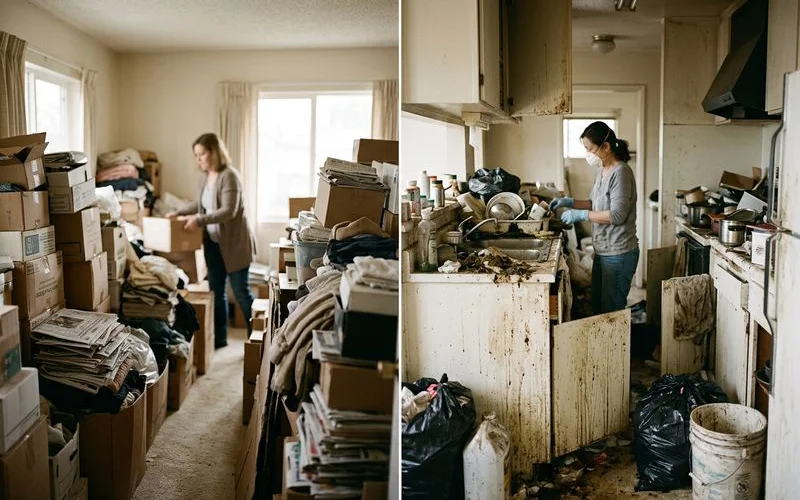
Why the Distinction Matters
Categorizing an environment correctly changes the entire trajectory of the project. Guessing incorrectly puts people in physical or financial jeopardy.
Cleanup crews rely on this classification to choose their personal protective equipment. Biohazard remediation follows strict guidelines outlined in the IICRC S540 standard. This requires specialized chemical agents and specific disposal manifests that general junk haulers do not possess.
Families usually face higher costs when biological contaminants enter the picture. Specialized disposal fees and heavy-duty PPE drive up the final invoice. Trying to save cash by hiring an unqualified crew for a biohazardous job guarantees cross-contamination.
State and federal regulators actively monitor how companies dispose of infected materials to protect public health.
Sending blood-soaked carpets to a standard landfill breaks federal law. Fines for illegal disposal can quickly reach thousands of dollars per violation in South Carolina.
Health impacts represent the most urgent factor. Finding deep biological contamination usually means the occupant can no longer safely sleep in the home. A dry, non-toxic clutter situation allows families to plan a slower, more methodical cleanout.
How Professionals Assess Biohazard Levels
Our initial walk-through sets the baseline for the entire recovery effort. Technicians examine multiple specific data points to determine if the environment is toxic.
- Visual and physical indicators: Specialists actively hunt for visible mold colonies, blood splatters, and decomposing matter. Documenting the sheer volume of this material helps dictate the required response.
- Targeted odor identification: Smells tell a highly specific story. Sharp ammonia points directly to hidden urine pools. A heavy, sweet stench indicates decomposition, while a damp, earthy smell confirms hidden moisture.
- Occupant and family interviews: Talking with the family fills in massive informational gaps. Learning that a resident had eight cats three years ago tells technicians exactly where to pull up the carpets.
- Scientific environmental testing: Teams frequently use Adenosine Triphosphate (ATP) meters to measure biological surface contamination. High Relative Light Unit readings prove that invisible pathogens remain active on seemingly clean surfaces.
Getting the Right Level of Help
Finding severe contamination inside a Charleston or Lowcountry home is overwhelming. Securing a professional assessment is the safest first step for any family. Tackling a toxic environment with a few trash bags and a paper mask is incredibly dangerous.
Be extremely wary of any company claiming every messy house is a toxic hazard. Honest contractors clearly separate standard trash from regulated biological waste. They will explain exactly why specific safety protocols apply to your unique property.
Our dedicated biohazard and hazard remediation service directly addresses these biological dangers. The team also manages non-toxic clutter through standard whole-house hoarding cleanup programs. Targeting specific trouble spots is easy with specialized kitchen and bathroom recovery solutions.
Reach out to us at (843) 517-7097 to discuss your current challenges. We provide clear answers, transparent pricing, and immediate practical guidance. Understanding what qualifies as biohazard in a hoarding situation ensures you take the exact right steps forward.