Our professional service team frequently hears the assumption that severe cleanup projects automatically equal dozens of dumpsters headed straight to the landfill.
That outcome is completely avoidable with a structured approach. A strategic sorting process diverts massive amounts of material to recycling and donation centers.
We handle debris removal and clutter organization across the Charleston metro area with a strict commitment to environmental responsibility.
Restoring a home to a safe condition does not have to come at the expense of the local ecosystem. This guide details the best eco-friendly disposal options for hoarding cleanup in the Lowcountry.
The Importance of Eco-Friendly Disposal Options for Hoarding Cleanup in the Lowcountry
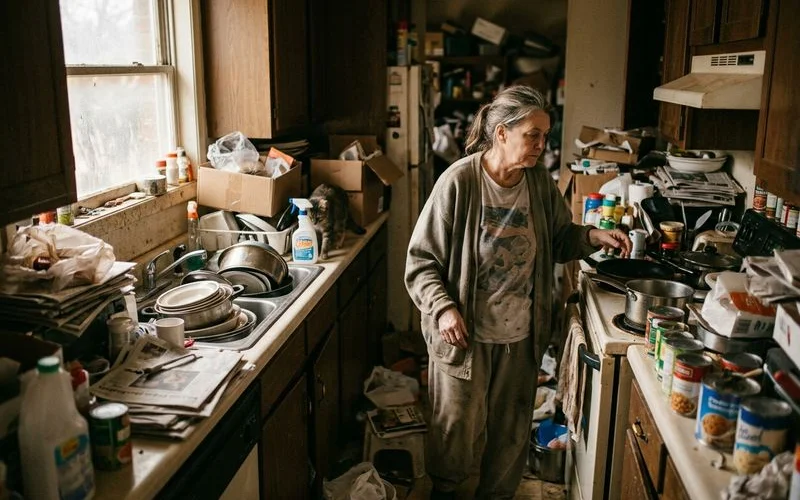
We recognize the sheer volume of material generated from a cluttered environment can feel completely overwhelming. A single-family home at a Level 4 or 5 on the hoarding scale can easily produce 10 to 30 tons of waste. The impact on local infrastructure is massive when multiplied across thousands of similar situations.
Our research indicates that approximately 19 million Americans struggle with hoarding disorder. Those statistics highlight an urgent need for sustainable practices within the cleanup industry. The environmental strain would be catastrophic if every project relied solely on landfills.
We often see individuals holding onto items because they genuinely recognize their potential value. Honoring this instinct is a vital part of a compassionate strategy. A crowded space frequently hides usable clothing, intact housewares, and functional tools.
Our team routes these salvageable goods to community members in need to accomplish three critical goals.
- The ecological burden of the project drops significantly.
- The individual recovering from the disorder gains peace of mind.
- Usable items stay in the local circular economy.
Local charities receive a steady stream of necessary supplies. This community-focused method makes the entire clearing process much more meaningful.
The Sorting Process
Category 1: Biohazardous Waste
We implement strict protocols for any materials contaminated with biological hazards like bodily fluids or animal waste. These items absolutely cannot enter standard landfills or recycling streams. Regulation 61-105 from the South Carolina Department of Environmental Services classifies these specific materials as infectious waste.
Our crews safely contain these biohazards in rigid, leak-resistant containers marked with the universal biohazard symbol. OSHA standards require this exact level of protection to prevent community contamination. Specialized transport vehicles then move the sealed containers to licensed treatment facilities.
Category 2: Hazardous Materials
We frequently uncover accumulated household hazardous waste like old pesticides, paint thinner, and heavy metal electronics during intensive cleanups. Improperly discarding these liquids can severely contaminate the Lowcountry water supply. Charleston County offers nine specific convenience centers equipped to handle these dangerous chemicals safely.
Category 3: Donatable Items
Our sorting criteria for donations remain highly practical and straightforward. An item qualifies for donation if it is clean, functional, and suitable to give to a friend. The items must be entirely free from contamination to meet the acceptance standards of local charities.
Category 4: Recyclable Materials
We separate paper, cardboard, clean metals, and specific plastics into dedicated recycling streams. Severe clutter often consists of massive quantities of easily recyclable paper products like old mail and magazines. The recycling centers process these materials to reduce raw resource consumption.
Category 5: General Waste
Our final disposal step involves routing completely unsalvageable materials to standard commercial waste facilities. A licensed commercial hauler transports this remaining debris to the proper location. This guarantees compliance with all local dumping ordinances.
Donation Partners in the Lowcountry
Habitat for Humanity ReStore
We regularly partner with the Habitat for Humanity ReStore located at 731 Meeting Street in Charleston. They accept a wide variety of furniture, home improvement materials, and functioning appliances. The proceeds from these sales directly fund affordable housing construction projects across the region.
Our team coordinates large pickups with their fleet for cleanups that yield significant quantities of heavy furniture. This logistical support makes clearing out bulky items much more manageable. The diverted materials also provide affordable renovation supplies for other local families.
Goodwill Industries
We utilize the extensive network of Goodwill donation centers for everyday household goods and clothing. Their facilities accept items in fair condition, which provides flexibility for belongings that are no longer pristine. A functional but slightly worn jacket still serves a practical purpose.
Charleston Area Therapeutic Riding (CATR) Thrift Store
Our donations to the local CATR Thrift store support vital therapeutic horseback riding programs. Quality clothing and small household goods are particularly valuable to their retail operation. The sales revenue directly funds therapeutic sessions for individuals with disabilities.
Palmetto Community Action Partnership
We connect functional items directly with low-income families through the Palmetto Community Action Partnership. This direct-distribution method bypasses the retail environment entirely. Families receive necessary furnishings without any financial burden.
East Cooper Community Outreach
Our crews deliver essential items to the East Cooper Community Outreach facility at 1145 Six Mile Road in Mount Pleasant. This group distributes clothing and hygiene products to families experiencing sudden financial hardship. They also maintain a specific wish list to supply warm clothing to local homeless populations.
Church and Community Organization Networks
We maintain an active directory of local churches accepting donations in Summerville and Goose Creek. Community assistance programs frequently require specific seasonal items like winter coats or school supplies. Matching the right items to the right organization prevents useful goods from becoming trash.
Recycling Options in Charleston County
Curbside and Drop-Off Recycling
We transport massive volumes of recyclable cardboard, glass, and aluminum directly to Charleston County drop-off centers. Curbside collection simply cannot handle the sheer tonnage generated during a severe situation. Staffed locations like the Bees Ferry Landfill accept these bulk loads securely.
Electronics Recycling
Our crews constantly uncover outdated electronics, which require specialized e-waste processing to prevent heavy metal leakage. The county accepts televisions, computers, and monitors at eight different convenience centers year-round. Small electronics and cell phones must go to alternative drop-off sites like Best Buy.
Metal Recycling
We sort through immense piles of scrap metal, old tools, and broken automotive parts during property clear-outs. Local metal recycling facilities process both ferrous and non-ferrous materials to reclaim valuable resources. The small financial return from scrap metal can even lightly offset the total cleanup costs.
Paper and Document Shredding
Our systematic approach separates confidential financial documents from standard recyclable paper waste. Local off-site shredding services provide certificates of destruction to ensure complete identity protection. The shredded remnants then enter the standard paper recycling stream.
Mattress Recycling
We prioritize mattress recycling because over 50,000 mattresses end up in United States landfills every single day. These bulky items consume valuable landfill space and take decades to properly decompose. Specialized regional facilities break down the internal steel springs and foam layers for manufacturing reuse.
Specialty Disposal Options
Pharmaceutical Disposal
We safely gather expired medications to prevent chemical contamination in the local water system. Flushing pharmaceuticals down the drain introduces dangerous compounds into the public supply. The National Prescription Drug Take-Back program provides secure drop boxes at local law enforcement facilities.
Paint and Chemical Disposal
Our disposal strategy utilizes the Charleston County household hazardous waste collection sites for dangerous liquids. Residents can safely drop off old pesticides, solvent containers, and wet paint at nine staffed convenience centers. Certain retail paint stores also accept leftover latex paint for bulk recycling.
Textile Recycling
We divert severely damaged or stained clothing away from the trash by utilizing specialized textile programs. Planet Aid operates distinct yellow donation bins and solar-powered centers throughout the region. The organization converts these unusable fabrics into industrial rags and insulation materials.
How We Integrate Eco-Friendly Practices Into Every Cleanup
Pre-Cleanup Planning
We evaluate the expected material types and sorting logistics during the very first site assessment. A solid plan includes scheduling hazardous waste drop-offs and securing space at local recycling plants. Proper preparation guarantees a smooth workflow once the physical clearing begins.
On-Site Sorting Stations
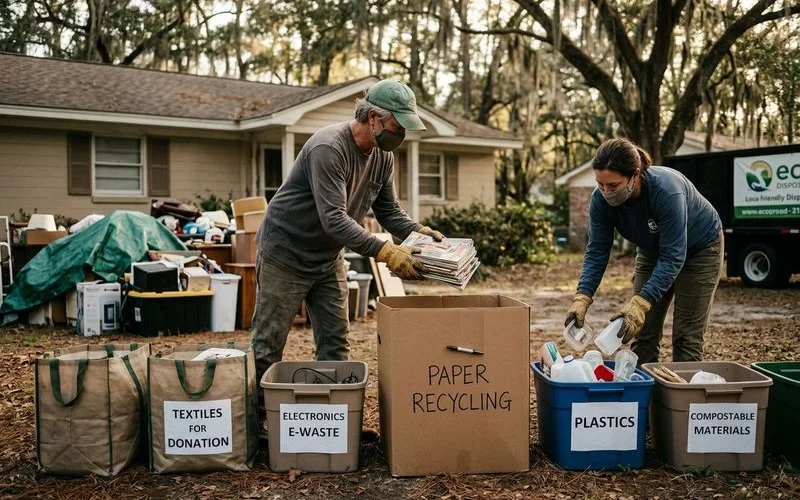
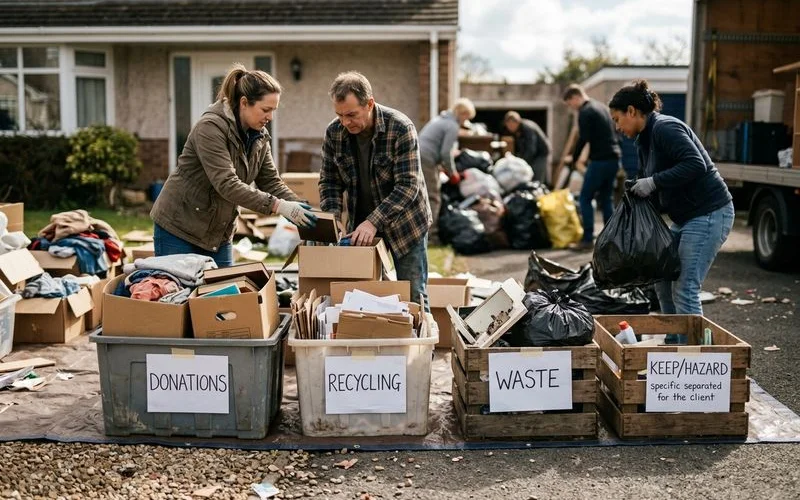
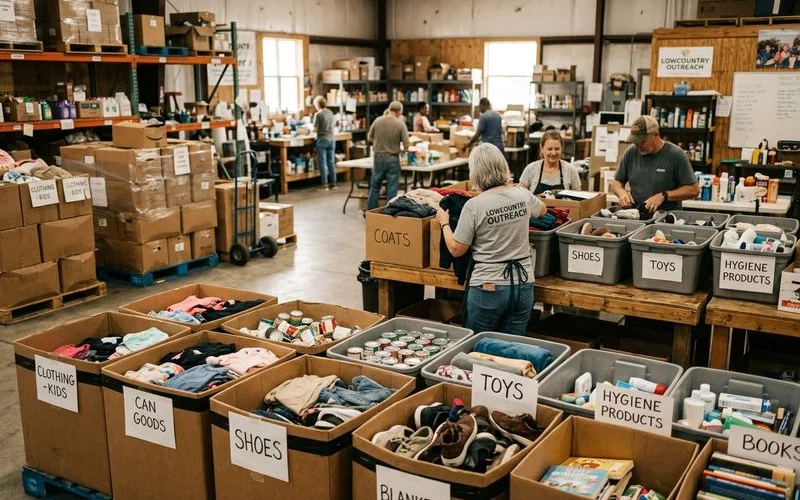
Our field teams establish clearly labeled, dedicated sorting bins directly on the property. Workers evaluate and categorize every single item in real time as they clear each room. This methodical pacing dramatically increases the total landfill diversion rate.
Client Participation When Appropriate
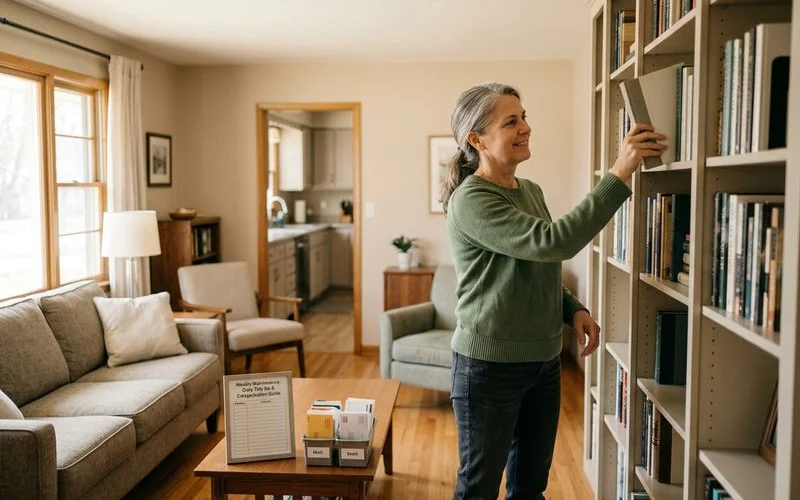
We encourage capable clients to participate in the sorting process to help ease their emotional distress. A person feels much better knowing their cherished book collection will supply a local library. Making active choices about donations restores a sense of personal control.
Documentation and Reporting
Our final project summary provides a detailed breakdown of exactly where the materials went. Clients clearly see the tangible impact of the recycled tonnage and the specific charity donations. The provided documentation also serves as necessary proof for future tax deductions.
The Environmental Impact
We consistently divert 20 to 40 percent of total project materials away from the landfill. Sites containing massive amounts of clean paper, steel, and cardboard push that diversion rate even higher. Every single ton saved from the dump represents a measurable victory for the local ecosystem.
Our commitment to these practices delivers distinct, quantifiable benefits to the community. Decreasing landfill volume directly reduces the amount of methane gas released from decomposing matter. Conserving raw materials through aggressive recycling limits the need for destructive new resource extraction.
| Action Taken | Environmental Benefit |
|---|---|
| Recycling Metals | Reduces greenhouse gas emissions and preserves raw ore. |
| Diverting E-Waste | Prevents heavy metals from leaching into the groundwater supply. |
| Textile Repurposing | Lowers pesticide use associated with new cotton production. |
Getting Started
We treat every single item with respect and maintain a strict awareness of the surrounding ecology.
A clean home should never create a secondary problem for the broader community. Your property restoration can be both highly effective and environmentally responsible.
Our staff provides reliable eco-friendly disposal options for hoarding cleanup in the Lowcountry. If you need assistance in Summerville, Charleston, Goose Creek, or Mount Pleasant, contact Summerville Hoarding Cleanup at (843) 517-7097.