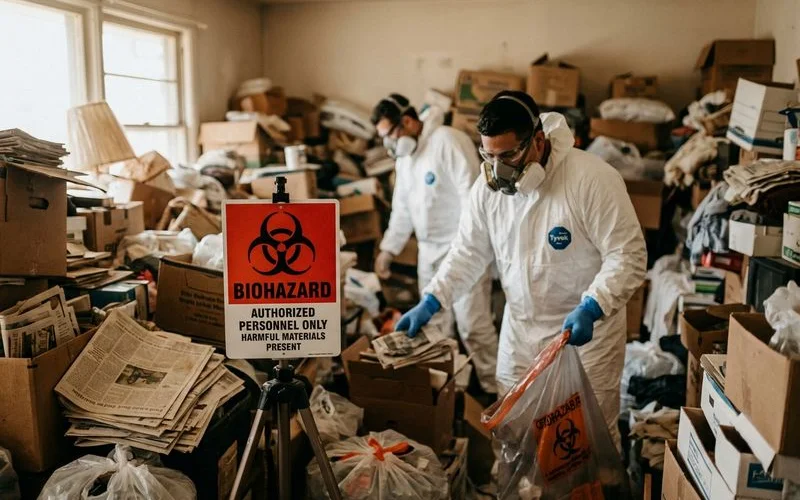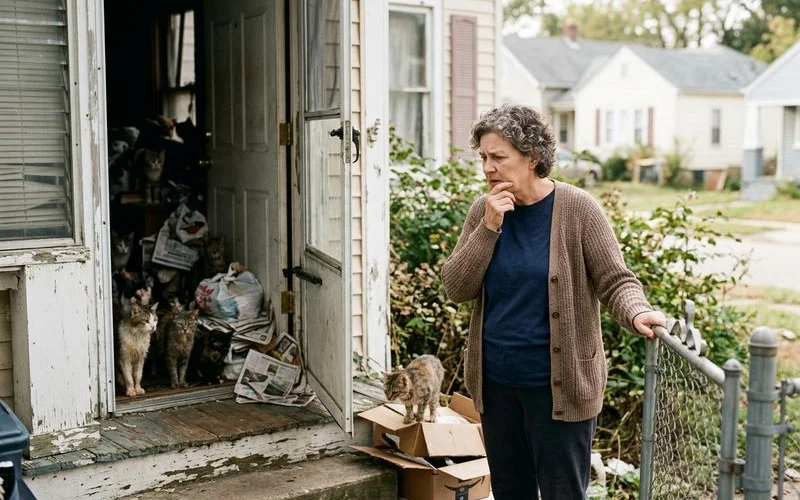
From what we have seen across the Lowcountry, the line between a passionate pet lover and a dangerous living situation blurs much faster than most people realize. Knowing the signs of animal hoarding and how to help is essential because this condition affects hundreds of thousands of animals across the United States every year.
The ASPCA estimates there are up to 2,000 new cases reported annually.
Our team at Summerville Hoarding Cleanup has responded to numerous cases where good intentions spiraled out of control. The situations range from a dozen cats in a small apartment to more than fifty animals in a single-family home. In every case, earlier intervention would have meant less suffering for the animals and significantly less damage to the property.
We are going to break down the clear warning signs, the psychology behind the behavior, and the exact steps you can take to intervene safely. This guide provides the practical facts you need to connect a loved one or neighbor with compassionate, effective help.
What Qualifies as Animal Hoarding
The Hoarding of Animals Research Consortium defines animal hoarding as having more pets than one can adequately care for. This includes failing to provide minimal standards of nutrition, sanitation, and veterinary care. The person is also typically in deep denial about their inability to provide this care.
In the DSM-5-TR, which is the official diagnostic manual used by mental health professionals, hoarding disorder is an official diagnosis. The manual specifically describes animal hoarding as accumulating a large number of animals while failing to act on their deteriorating condition or the severe overcrowding of the environment.
Having many pets does not automatically constitute a problem. Here is a quick breakdown of the differences between a large pet family and a dangerous situation:
| Feature | Responsible Multi-Pet Owner | Animal Hoarding Situation |
|---|---|---|
| Veterinary Care | Regular checkups and prompt treatment for illness. | Animals lack basic medical care, vaccines, or treatment. |
| Living Environment | Clean, sanitary, and free of excessive waste or odors. | Deteriorating conditions, severe clutter, and accumulated waste. |
| Acquisition | Stops acquiring animals when capacity is reached. | Continues to take in animals despite a lack of space or resources. |
| Insight | Accurately understands the cost and time required. | Complete denial about the poor conditions of the home and pets. |
The Warning Signs
Recognizing the problem early requires knowing exactly what to look for. These warning signs may appear gradually over several months or years. Individually, they are easy to dismiss, but collectively they paint a concerning picture.
Changes in the Home Environment
One of the earliest external signs is a severe change in how a person’s home looks and smells. You may notice strong odors emanating from the property, even from the sidewalk or yard. Windows are often kept permanently closed or covered, even during warm Lowcountry weather.
The invisible dangers inside are even more severe. The Occupational Safety and Health Administration (OSHA) sets the safe exposure limit for ammonia at 25 parts per million (ppm). Studies of animal hoarding homes have recorded highly toxic ammonia levels exceeding 150 ppm.
These toxic fumes cause severe respiratory irritation for anyone inside. The accumulated waste also destroys the home itself. Research shows that up to 16% of residences involved in animal hoarding are eventually condemned as unfit for human habitation.
Increasing Number of Animals
A gradual and seemingly endless increase in the number of pets is a major red flag. The person may frequently rescue strays, take animals from shelters, or fail to spay and neuter existing pets. This rapidly leads to uncontrolled breeding.
If you ask them directly, they may downplay the actual number of animals or become defensive. Keep these statistics in mind:
- The ASPCA notes that in severe cases, the individual might not even know the total number of pets they own.
- The average number of animals found in a single case ranges from 39 to 47.
- Some extreme situations involve hundreds of animals confined to a single property.
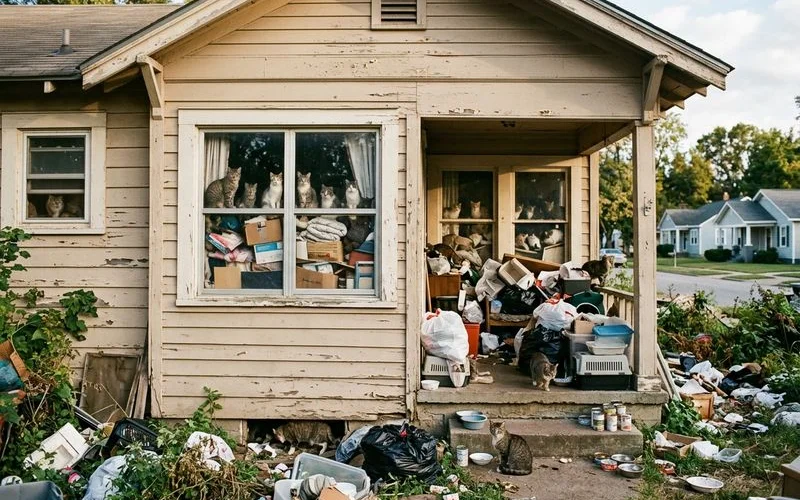
If a neighbor who had two cats a year ago now seems to have fifteen, this is a significant warning sign. You must pay attention to this growth regardless of what the person says about their ability to manage.
Social Withdrawal
Animal hoarders frequently become increasingly isolated from their community. They stop inviting people to their home and decline social invitations due to intense shame about the condition of their property.
Statistically, a large portion of these individuals live in single-person households. Studies by the Center for Animals and Public Policy show that up to 76% of animal hoarders are female, often older adults who live alone.
A family member or friend who makes excuses to avoid hosting or avoids answering the door might be hiding a deteriorating home environment. They may even become combative or highly suspicious of government and animal welfare agencies.
Animal Health Decline
Pets in these environments inevitably show visible signs of poor health. Look for animals that appear underweight, have matted fur, or exhibit behavioral problems like excessive aggression or intense fearfulness.
Infectious diseases spread rapidly in overcrowded homes. A 2014 study in The Veterinary Journal examined large-scale cat hoarding cases and found that up to 78% of the cats suffered from respiratory diseases like mycoplasma or calicivirus. Kittens and puppies in these environments have particularly high mortality rates due to a complete lack of veterinary care.
Common signs of illness to watch for include:
- Frequent sneezing or severe nasal discharge.
- Visible fleas, ticks, or untreated skin infections.
- Extreme lethargy or inability to stand.
- Unspayed females having repeated, closely spaced litters.
The Person’s Health and Behavior
The individual struggling with the disorder will also show clear signs of declining health. Chronic respiratory issues from high ammonia exposure, persistent coughs, and general exhaustion are very common.
Zoonotic diseases, which are illnesses that spread from animals to humans, pose a massive risk. The person may appear unkempt, spending all their resources attempting to care for the pets while completely neglecting their own basic needs.
Emotionally, you will notice increasing anxiety and irrational plans to acquire even more animals. They often express a deep, rigid belief that no one else can care for the animals as well as they can.
Understanding Why People Hoard Animals
Compassionate intervention requires understanding the psychology behind the behavior. This is not about judging the person. It is about recognizing the complex mental health dynamics at work.
Overwhelmed Caregiver Type
The most common type of individual starts with completely good intentions. They begin by caring for a few animals, perhaps rescuing strays in their Summerville or Charleston neighborhood.
Over time, the population grows through breeding and continued acquisition until it completely overwhelms their capacity. They are often aware that conditions have deteriorated but feel trapped. They simply lack the skills or emotional fortitude to rehome the pets or seek help.
Rescuer Type
Rescuer types have a strong, mission-driven identity built entirely around saving animals. They acquire animals faster than they can be adopted out, and the population quickly spirals beyond their control.
The ASPCA warns that a major red flag for this type of hoarding is an unwillingness to let visitors see the exact location where animals are kept. They often have an extensive network for acquiring pets but minimal infrastructure for actually feeding or housing them long-term.
Exploiter Type
The rarest and most difficult type to help is the exploiter. These individuals lack empathy and acquire animals strictly for purposes of control.
They are completely indifferent to animal suffering and highly resistant to any intervention. This specific type almost always requires a strict law enforcement response rather than a compassionate community intervention approach.
Trauma and Mental Health Connections
Research consistently shows strong connections between this behavior and severe trauma, loss, or other mental health conditions. For many individuals, the pets fill a massive emotional void created by isolation or unresolved psychological pain.
Data from the Anxiety and Depression Association of America reveals that up to 40% of people who hoard items also hoard animals. Understanding this connection does not excuse the neglect, but it should inform how you approach the person.
How to Help: A Step-by-Step Approach
If you have recognized these warning signs in someone you know, you need a clear plan of action. Here is how to proceed with compassion and effectiveness to ensure everyone gets the support they need.
Step 1: Document Your Observations
Before taking any action, you must document exactly what you have observed. Note the specific dates, the number of pets you can see, and any distinct odors coming from the property.
Photographs taken legally from public spaces like sidewalks can be incredibly valuable. This factual documentation is exactly what animal control, social services, or cleanup professionals will need to assess the situation later.
Step 2: Assess the Urgency
Determine whether the situation requires immediate, emergency intervention or if a more gradual approach is possible.
Signs of an absolute emergency include pets that appear to be actively dying, structural damage to the home that creates immediate safety hazards, or evidence that children are living in the contaminated environment. If the situation is an emergency, you must contact local animal control and social services immediately. In Dorchester County, you can reach animal control through the county sheriff’s office.
Step 3: Have a Private Conversation
If the situation is not an immediate life-or-death emergency, try speaking with the person privately first. Use the same compassionate communication strategies that apply to any difficult mental health conversation.
Express your concern rather than passing judgment. Use “I” statements, listen more than you speak, and absolutely avoid giving harsh ultimatums.

You might say something simple like, “I have noticed you have quite a few more cats than before, and I am worried about how you are managing. Is everything okay?” This opens the door without making them instantly defensive.
Step 4: Connect Them With Resources
Having specific, local resources ready makes your intervention much more effective. Here in the Lowcountry, relevant resources include:
Animal welfare organizations:
- Charleston Animal Society
- Pet Helpers of Charleston
- Local breed-specific rescue groups willing to take surrendered pets
Mental health resources:
- Therapists specializing in hoarding disorder
- Support groups for people struggling with obsessive-compulsive behaviors
- The ASPCA’s official resources for community intervention
Cleanup professionals:
- Summerville Hoarding Cleanup for animal hoarding cleanup and biohazard remediation at (843) 517-7097
- Professional services experienced in handling high ammonia levels and zoonotic disease risks
Step 5: Report if Necessary
If the person is unwilling to accept help and the pets are clearly suffering, you have an ethical obligation to report the situation. In South Carolina, animal cruelty, including severe neglect, is a criminal offense.
Reporting feels incredibly difficult, especially when the person is a close friend or family member. Unreported situations, sadly, only get worse over time. The pets continue to suffer, the person’s health declines further, and the structural property damage mounts. Calling authorities is often the necessary catalyst that finally connects the person with professional help.
Step 6: Support the Recovery Process
If your intervention leads to a successful cleanup and the rehoming of pets, your support should absolutely not end there. The individual will likely experience intense grief, shame, and anxiety during the aftermath.
The relapse rate for this specific disorder is notoriously high, with some studies suggesting it approaches 50%. You must continue to check in, offer emotional support, and encourage ongoing mental health treatment to prevent the cycle from starting over.
The Role of Professional Cleanup
Once pets have been safely removed from a contaminated home, professional cleanup is almost always mandatory. According to social worker assessment scales, a crime scene cleaner or biohazard specialist is required by level 4 of the hoarding scale due to lethal bacterial and viral threats.
The extreme biohazard challenges go far beyond what standard household cleaning supplies can handle. These hazards include:
- Toxic ammonia contamination deep in the subflooring.
- Severe zoonotic disease risks left behind by untreated waste.
- Structural damage from soaked floorboards and walls.
- Severe pest infestations that quickly spread to neighboring properties.
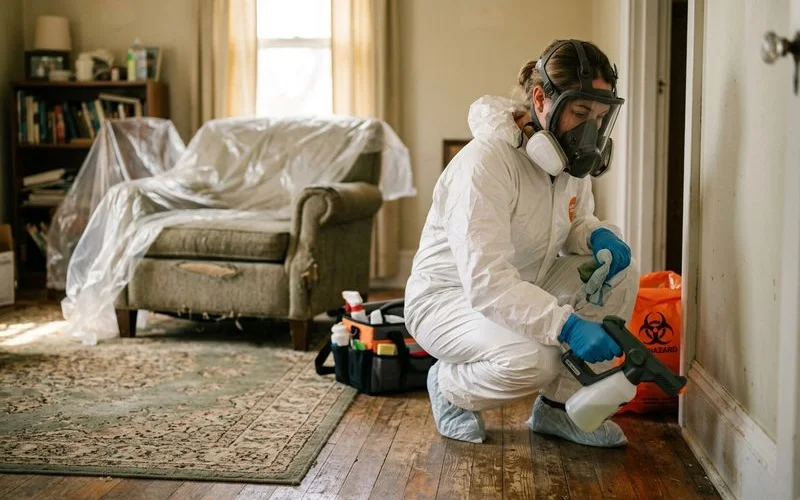
Our team uses professional-grade personal protective equipment, including respirators with specific ammonia-filtering cartridges. Technicians apply biohazard-rated cleaning agents and follow strict systematic decontamination protocols to restore properties to safe, habitable conditions.
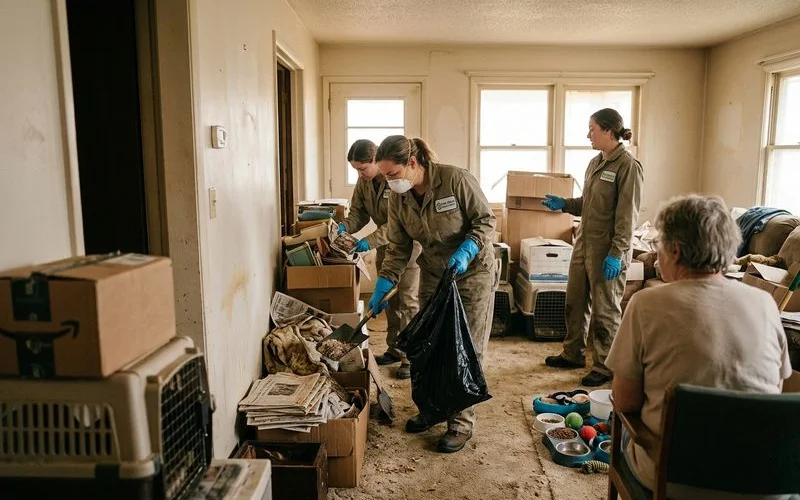
We understand the deep emotional weight of these situations. Every single person involved receives treatment with the utmost empathy and respect from our crew. If you are dealing with a crisis anywhere in the Lowcountry, from Summerville to Charleston to Mount Pleasant, we are here to assist you.
Prevention and Community Awareness
Prevention always starts with community awareness and education. When neighbors, family members, and community organizations know the exact warning signs, interventions happen much earlier.
If you suspect an issue in your Summerville or Charleston area neighborhood, do not wait until the situation becomes a fatal crisis. Early intervention saves lives, protects human health, minimizes costly property damage, and gives the individual the absolute best chance at long-term recovery.
Contact Summerville Hoarding Cleanup at (843) 517-7097 for clear guidance on the signs of animal hoarding and how to help. You can also reach out to local animal welfare and mental health organizations for additional support. Together, we can address this crisis with the compassion and strict professionalism that every person and pet deserves.